Local SEO vs Traditional SEO — Which Does Your Business Need?
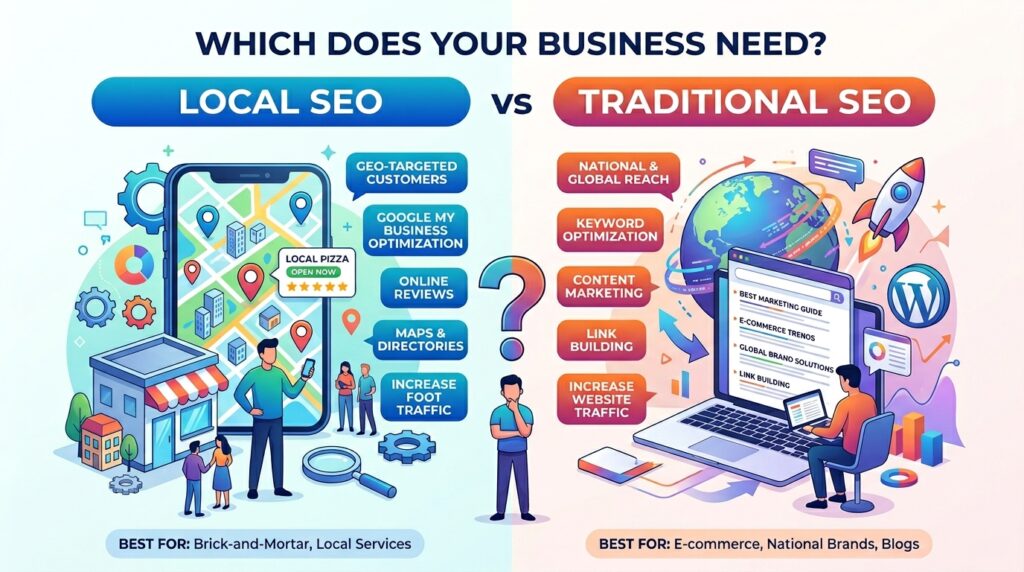
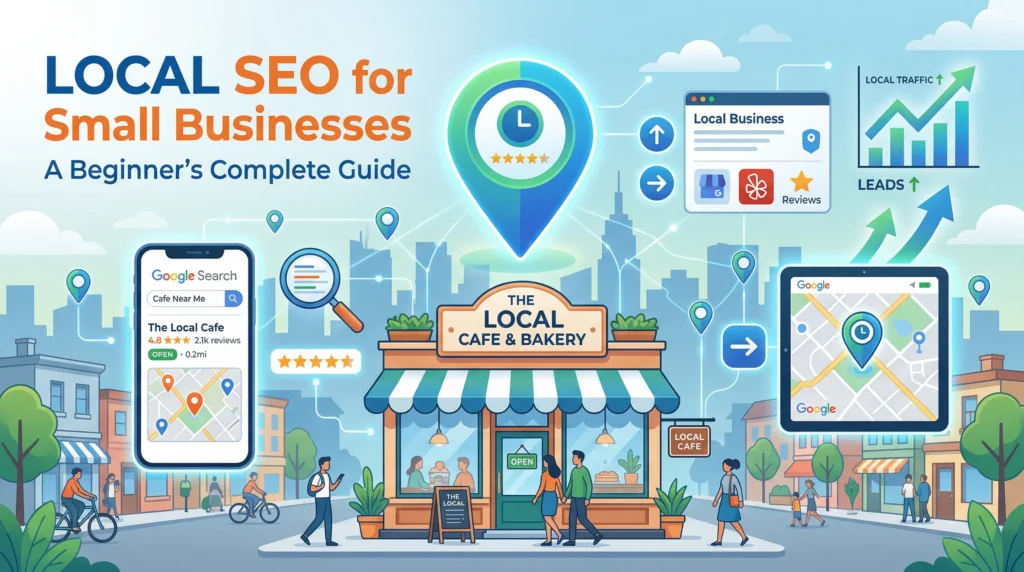
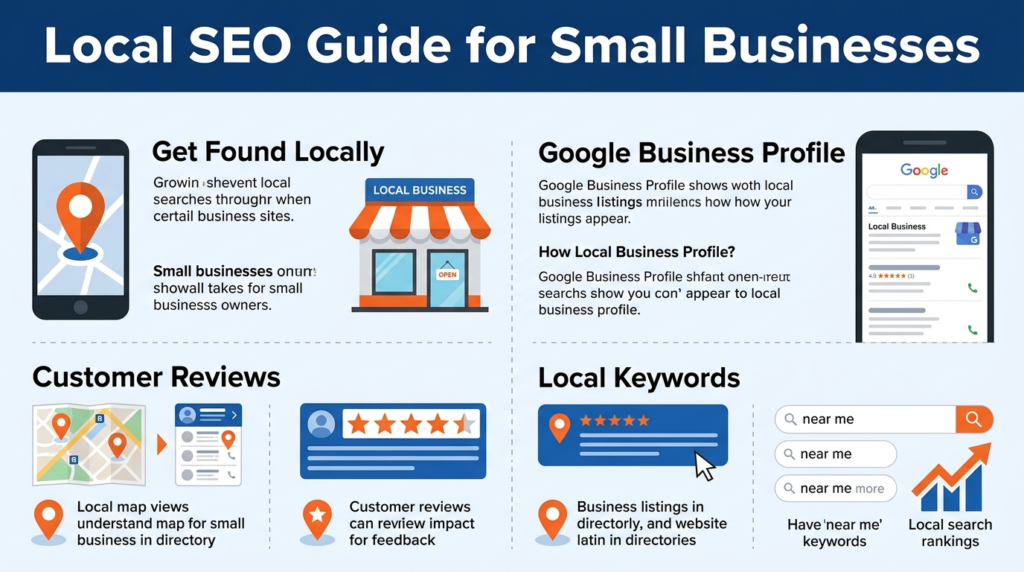
Local SEO vs traditional SEO is one of the most common questions small business owners ask when they first start thinking about their online presence. Both strategies help your business get found on Google. However, they work differently, target different audiences, and produce very different results for local businesses. Therefore, understanding the difference between local SEO vs traditional SEO is essential before you invest any time or money into improving your online visibility.
Moreover, choosing the wrong strategy means working hard on the wrong things and watching competitors who made the right choice win all the local customers instead. Consequently, this guide gives you a clear, simple explanation of both approaches so you can make the right decision for your specific business today.
Local SEO vs Traditional SEO — The Core Difference
Traditional SEO focuses on ranking your website for broad keywords across the entire internet — regardless of where the searcher is located. Furthermore, it targets national or global audiences and aims to drive as much organic traffic as possible to your website from anywhere in the world.
Local SEO, however, focuses specifically on ranking your business for location-based searches searches made by people in your city, neighborhood, or service area. Moreover, local SEO targets the Google Local Pack, Google Maps, and location-specific search results rather than national website rankings. Consequently, the traffic local SEO generates is far more valuable for most small businesses because it comes from customers nearby who are ready to spend money right now.
As explained in what local SEO is and how it works for small businesses, local SEO is specifically designed to connect local businesses with local customers at the exact moment they are searching for what you offer. This is fundamentally different from traditional SEO’s goal of driving maximum overall website traffic.
Local SEO vs Traditional SEO — Where Results Appear
Traditional SEO results appear in the standard “blue link” search results the ten organic listings that appear on a Google search results page. Furthermore, ranking in these results requires competing with every website in the world that targets the same keywords which makes traditional SEO extremely competitive and slow-moving for most small businesses.
Local SEO results appear in three specific places. First, the Google Local Pack — the map with three business listings that appears at the top of search results for location-based queries. Second, Google Maps where customers search for businesses by category and location. Third, local organic results search listings that appear below the Local Pack and include location-specific content.
Specifically, the Google Local Pack receives the majority of clicks for any local search query — often more than all the traditional organic results combined. Therefore, ranking in the Local Pack through local SEO produces dramatically more customer enquiries than ranking on the first page of traditional organic results for most local businesses. As covered in how to rank your business in Google Maps in 2026, Local Pack visibility is the most valuable real estate in local search.
Local SEO vs Traditional SEO — Key Ranking Factors
Traditional SEO ranking is determined primarily by the authority and content quality of your website. Furthermore, factors like backlinks from other websites, on-page keyword optimization, site speed, and content depth all drive traditional organic rankings. Building these signals takes months or years of consistent content creation and link building.
Local SEO ranking is determined by a completely different set of factors. Specifically, Google’s local algorithm weighs three things above all else relevance, proximity, and prominence. Relevance means how closely your business matches what the customer searched for. Proximity means how close your business is to the searcher’s location. Prominence means how well-known and trusted your business is online based on reviews, directory listings, and citations.
Moreover, unlike traditional SEO where a new business must wait years to compete with established websites, local SEO allows a brand new business to outrank a long-established competitor within weeks — simply by having a more complete Google Business Profile, more reviews, and more consistent directory listings. This is the most important practical difference in the local SEO vs traditional SEO comparison for small business owners.
Local SEO vs Traditional SEO — Which One Does Your Business Need?
The answer depends entirely on who your customers are and how they find you. Furthermore, most small local businesses need local SEO far more urgently than traditional SEO because their customers are nearby and searching for local services, not browsing national websites for general information.
You need local SEO if your business serves customers in a specific geographic area a city, a region, or a service radius. This includes restaurants, cafes, salons, plumbers, electricians, lawyers, clinics, retailers, and any business where the customer’s location matters. Consequently, local SEO is the right primary strategy for the vast majority of small businesses operating in the USA.
You need traditional SEO if your business sells products or services to customers anywhere in the country or world regardless of location. This includes e-commerce stores, online service businesses, digital products, and national brands. However, even businesses that serve national markets often benefit from local SEO for their physical locations and regional operations.
Can You Do Both Local SEO and Traditional SEO Together?
Absolutely and the strongest online presences combine both strategies effectively. Furthermore, the good news is that many local SEO actions directly support traditional SEO performance at the same time.
For example, getting listed across multiple business directories creates backlinks that strengthen your website’s traditional SEO authority. Writing helpful blog content about topics relevant to your local customers builds both local relevance signals and traditional organic rankings simultaneously. Collecting positive reviews improves both your local prominence score and your click-through rate in traditional search results.
As shown in 10 benefits of online business directories, directory listings work for both local and traditional SEO simultaneously — making them one of the most efficient free marketing investments any small business can make. Therefore, start with local SEO to capture immediate high-intent local customers, then expand into traditional SEO to grow your broader online authority over time.
Local SEO vs Traditional SEO — Speed of Results
Traditional SEO is notoriously slow. Furthermore, building enough website authority to rank on the first page of Google for competitive keywords typically takes 6 to 18 months of consistent effort and there are no guarantees even after that investment of time.
Local SEO produces measurable results significantly faster. Specifically, a business that claims and fully optimizes its Google Business Profile, creates listings across multiple directories, and starts collecting reviews can see visible improvements in local search visibility within 30 to 60 days. Consequently, for a small business that needs customers now rather than a year from now, local SEO is not just the better strategy it is the only logical starting point.
Start With Local SEO — Here Is How
If you are a local business, local SEO is your most urgent priority. Therefore, start implementing it today using these free actions that produce results quickly.
First, claim and optimize your Google Business Profile completely. Second, create your free listing on ListYourBusiness.us. Third, fix your NAP consistency across every platform as explained in why NAP consistency matters. Fourth, start collecting customer reviews actively. Fifth, work through the 10 best business listing sites in 2026 and get listed everywhere relevant.
Moreover, follow the complete local SEO guide for small businesses to implement every strategy in the correct order. Consequently, within 60 days you will have a local online presence strong enough to outrank most competitors in your area and the local SEO vs traditional SEO question will answer itself the moment you see the results.