Learning how independent operators can outrank national brands in local search is essential for small business owners competing against corporate franchises. When an independent plumber, roofer, or auto detailer checks their map rankings, competing against national chains like Roto-Rooter, Safelite, or 1-800-GOT-JUNK feels like an uphill battle. Corporate giants operate with multimillion-dollar digital budgets and high-authority root domains.
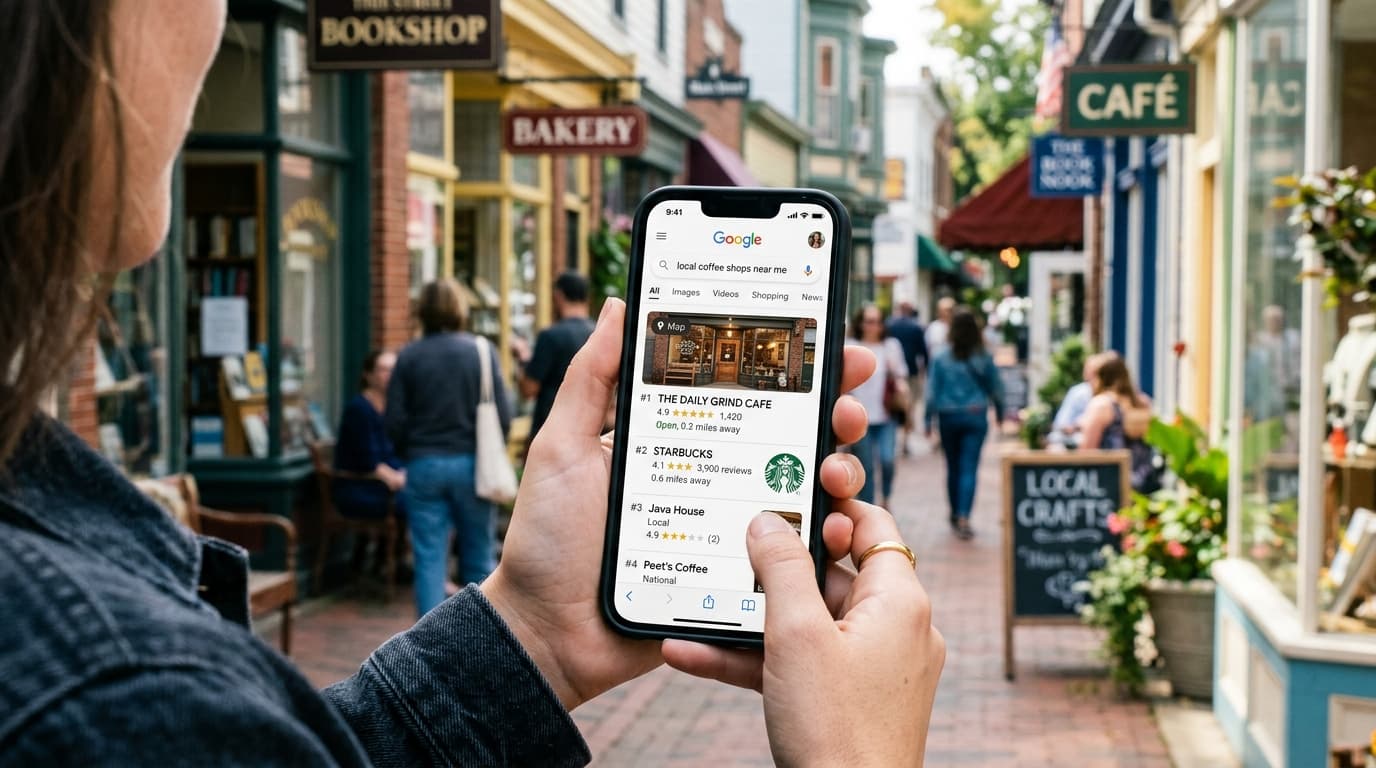
Yet, if you examine the Google Local 3-Pack for local inquiries, independent contractors routinely hold top positions above national brands. This happens because Google's local map algorithm values physical proximity, authentic local signals, and community review velocity far more than broad corporate authority, allowing local companies to outrank national brands in local search results.
Why Small Businesses Outrank National Brands in Local Search
National brands suffer from structural limitations that give agile local owners a built-in advantage. Their digital footprint is run by centralized corporate agencies managing hundreds of regional branches through automated, cookie-cutter page templates.
Here is where independent businesses hold the advantage:
- Template Cannibalization: A national franchise typically creates 500 identical location landing pages that change only the city name. Google recognizes this thin programmatic content and discounts its topical value.
- Detached Call Centers: Corporate listings often route through 1-800 tracking lines and remote answering services, leading to delayed response times and lower customer review sentiment.
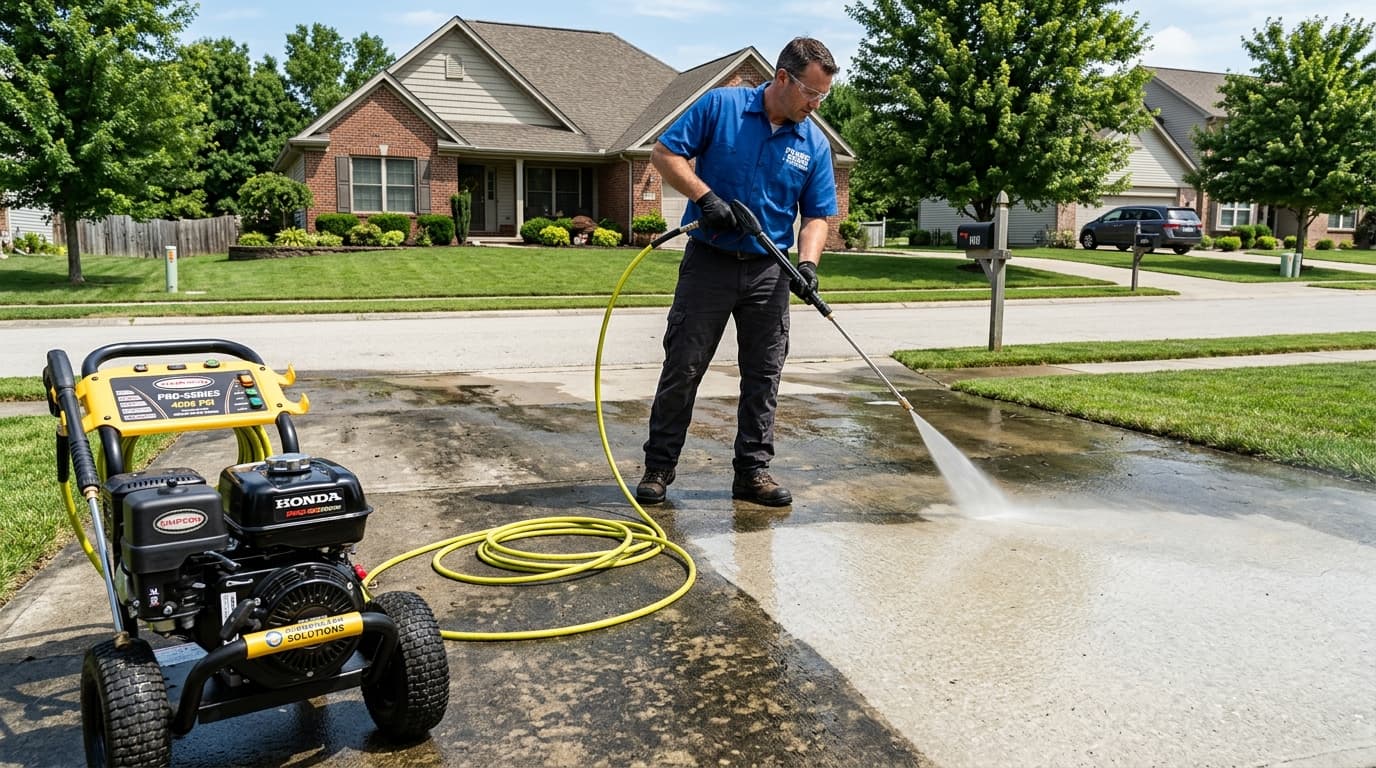
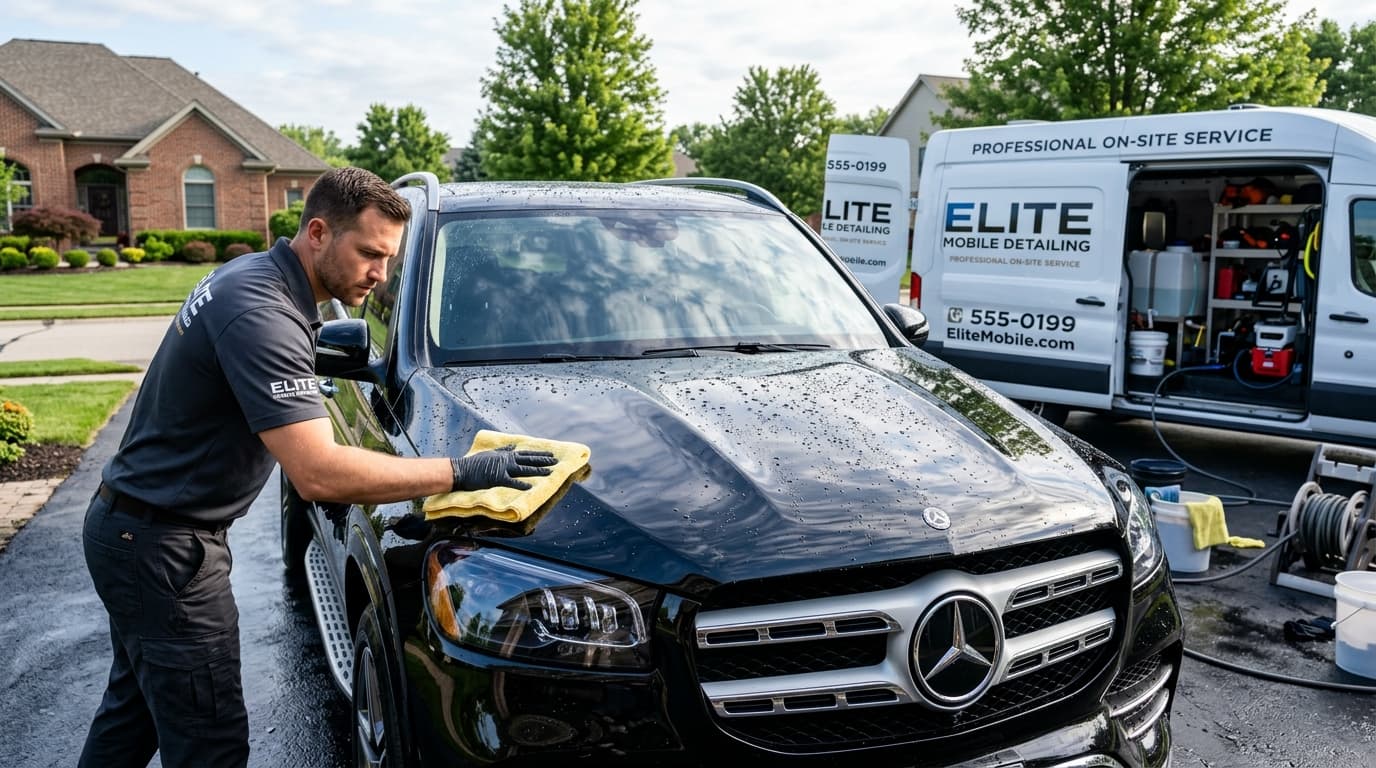
- Generic Photography: Corporate sites rely on sanitized stock photos. They rarely showcase authentic job-site imagery, actual fleet vehicles, or the local team members who carry out the work.
1. The Proximity and Service-Area Edge
Google's primary local algorithm relies on three core pillars: Relevance, Distance, and Prominence. National brands often attempt to cover entire states using a single regional office. A local business located directly within the municipality wins the distance test by default.
If you operate as a mobile trade without a public storefront, you do not need an expensive commercial lease to compete. By configuring your company under our verified framework for listing a service-area business without exposing your home address, you can target specific local zip codes directly where corporate branches fail to establish true physical roots.
Compliance Note: Never attempt to create artificial local pins using shared mail lockers. As detailed in our breakdown of virtual office risks on Google Business Profile, unstaffed commercial addresses trigger profile bans. For official business licensing guidelines, consult the U.S. Small Business Administration (SBA.gov).
2. Review Velocity: How to Outrank National Brands in Local Search
A national franchise location may have 200 total reviews accumulated over ten years, but their **review velocity** (the consistency and freshness of new incoming reviews) is often stagnant. An independent business that collects 3 to 5 detailed reviews every week from satisfied homeowners will regularly outrank a neglected corporate profile.
When local clients leave reviews mentioning specific services and neighborhoods (e.g., "Installed a new tankless water heater in Downtown Plano"), Google's semantic index connects your entity directly to those high-value local queries.
Respond to every review personally within 24 hours. Google notes active listing management, and potential clients evaluate the direct involvement of the business owner before booking a trade service.
3. Local Citation Depth and Directory Density
National chains typically rely on massive automated aggregators to update their basic contact data across the web. However, their listings frequently suffer from mismatched phone extensions, broken department URLs, and inconsistent business names.
Independent businesses can achieve cleaner citation uniformity across focused business platforms. This tactic works reliably for specialized trades, such as following targeted citation strategies for mobile auto detailing businesses or using dedicated local SEO frameworks for pressure washing and exterior cleaning companies.
By securing a verified entry on dedicated platforms like ListYourBusiness.us, you provide Google with clean, verified US citation signals that establish authentic municipal presence.
Action Plan: Outmaneuver Corporate Competitors
- Upload weekly job-site photos with real crew members to your Google Business Profile.
- Implement an immediate text-based review request routine after every completed job.
- Submit your verified profile to ListYourBusiness.us to reinforce clean regional citations.
- Target hyper-local service neighborhoods that national corporate templates overlook.
Frequently Asked Questions About How Small Businesses Outrank National Brands in Local Search
Yes. Google's local map algorithm prioritizes proximity, review velocity, and citation consistency over total corporate advertising budget. A local independent business with authentic community signals consistently beats corporate franchise landing pages.
National brands rely on cookie-cutter, programmatic template pages managed by distant agencies. They lack authentic community engagement, hyper-local service area photos, and responsive review replies from the actual business owner.
Submitting to verified directories like ListYourBusiness.us creates localized NAP validation signals that confirm your active physical presence in a specific municipal market, neutralizing the broad domain authority of corporate websites.
Put Your Local Business Ahead of Corporate Chains
Claim your spot where nearby customers are searching. Add your company to ListYourBusiness.us and strengthen your local search authority today.